Signs Your Parking Lot Needs Resurfacing Instead of Full Replacement
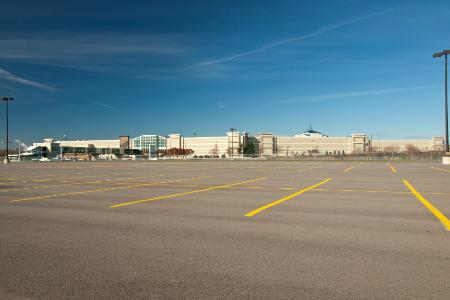
Standing in your parking lot and seeing cracks, ruts, and faded lines can raise a big question: Do you resurface or start over? In many Atlanta properties, parking lot resurfacing restores ride quality, improves curb appeal, and adds years of service without the time and disruption that come with a total rebuild.
Below, we break down the most reliable signs that point toward resurfacing. We'll also cover when replacement is the smarter call, how local weather affects your plan, and what to expect once work begins.
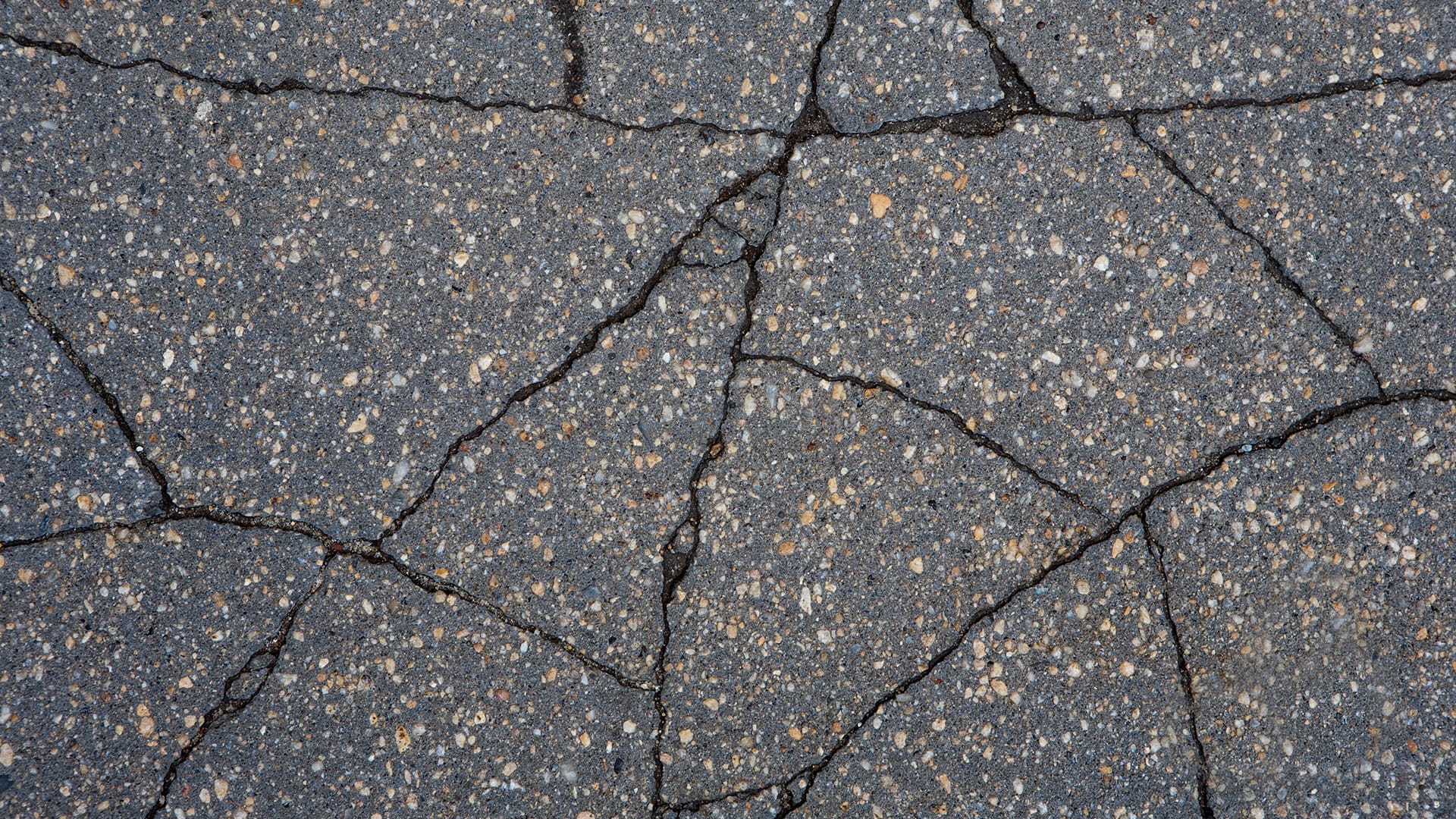
Alligator Cracking Stays at the Surface
Alligator cracking looks like scales or a spider web on the top layer. If the cracking is widespread but shallow, resurfacing can seal the network and create a new, smooth wear layer. The key is what's happening underneath. If your pavement flexes but the stone base still feels tight and stable, a mill-and-overlay is often enough to reset the clock.
In busy spots like Buckhead and Midtown, where sunlight and turning traffic speeds up wear, top-down cracking is common. A professional assessment checks crack depth and the condition of the base so you can choose the least disruptive fix that still lasts.
Raveling, Faded Color, And Minor Potholes Dominate
Raveling is when small stones work loose, and the surface turns gritty. Combined with light potholes and worn striping, it signals the top course has aged out. An overlay replaces that tired skin with fresh, dense asphalt that resists water and traffic.
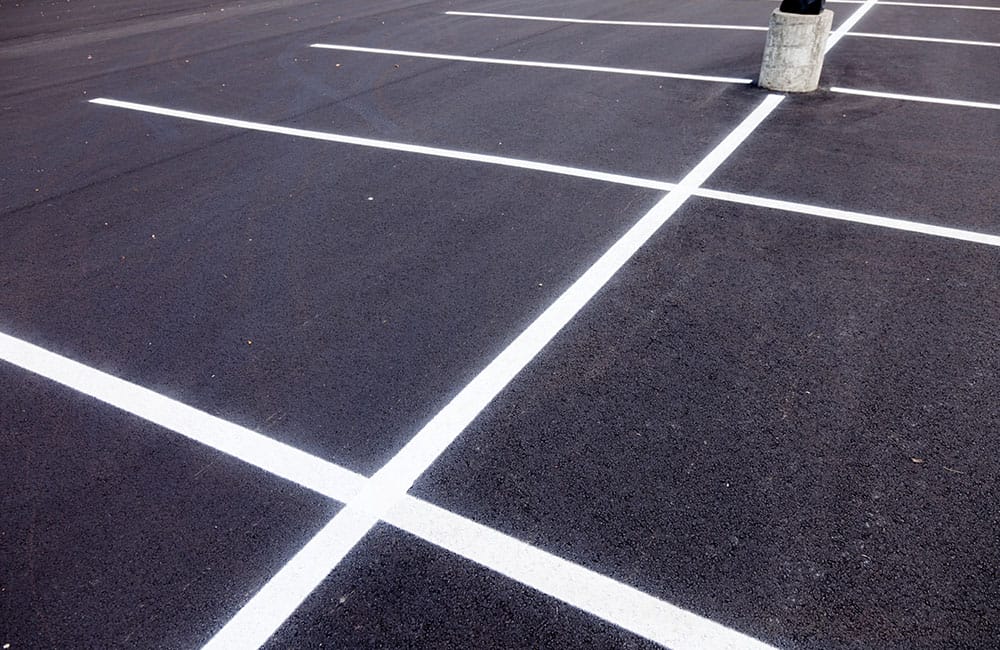
For retail centers in Decatur or Sandy Springs, resurfacing also gives you a clean slate for bright, high-contrast markings that guide traffic and improve ADA clarity. Small patch-and-pave preps the worst spots, then the overlay ties the lot together for a uniform look.
Drainage Works, But Low Spots Collect Water
Standing water shortens pavement life. If your drains function and grades are mostly right, but a few birdbaths linger, targeted milling and leveling can correct those areas before the overlay. Never ignore standing water around curbs or near catch basins, since it seeps through hairline cracks and weakens layers below.
In Atlanta's summer storms, quick runoff matters. Resurfacing lets your contractor reestablish cross-slope and smooth transitions at entrances so rain moves off the surface instead of soaking in.
The Base Feels Solid Under Traffic
Resurfacing relies on a stable foundation. If trucks in your loading zone don't cause pumping at cracks and you don't see depressions growing after every rain, the base likely has enough strength for an overlay. You might notice wear near dumpster pads or delivery docks while the rest of the lot holds up well. That's a strong case for localized repairs plus a full-lot overlay, rather than a full rebuild everywhere.
If the gravel base shifts or pumps underfoot when a heavy vehicle turns, resurfacing becomes a bandage instead of a fix. In that case, replacement with base repair is safer long-term.
Age And Care Suggest One More Lifecycle
Every lot ages differently, but Atlanta's heat, UV, and periodic freezes tend to age the surface faster than the base. If your lot has been sealcoated on schedule and patched when needed, you can often secure another full lifecycle with an overlay before considering a tear-out. Properties near College Park or along I-285 that manage heavy commuter traffic may reach that milestone sooner than quieter office parks.
Resurfacing is also a chance to update the layout for today's traffic. Wider accessible stalls, clearer pedestrian paths, and refreshed arrows make the site safer and easier to navigate.
When Full Replacement Makes More Sense
Replacement takes more time, but sometimes it's the only responsible route. Consider a rebuild if you see:
- Deep, structural cracking with movement under load.
- Widespread base failures, pumping fines, or chronic subgrade moisture.
- Frequent utility cuts and patchwork create a checkerboard of weak joints.
- Elevation problems that simple leveling can't correct.
In these cases, removing the failed layers and strengthening the base pays off in performance and safety. Your contractor can phase the work so key entrances stay open and tenants have predictable access.
What Happens During An Asphalt Resurfacing Project
Most overlays follow a clear sequence that keeps your site moving:
- Evaluate the lot, document drainage, and set grades for smooth flow to inlets.
- Repair localized failures, then mill and level low areas for a flat, even mat.
- Clean the surface and apply a tack coat so the new layer bonds properly.
- Place and compact the asphalt overlay, then stripe once the surface is ready.
Well-planned resurfacing can often be staged so daytime parking remains available, especially in multi-tenant centers across Marietta and Brookhaven. Your schedule should consider deliveries, school traffic nearby, and evening peak hours.
How Atlanta Weather Shapes Your Decision
Heat softens asphalt and accelerates oxidation, while sudden downpours push water into every seam. That's why even small cracks can become big problems by late summer. Resurfacing wraps the lot in a new, dense surface that resists both UV and water intrusion.
If you're near tree-lined streets, roots can lift edges and crack corners. Spot milling and an overlay blend those edges back to smooth. Coordinating with landscapers to trim problem roots at the same time helps protect the new surface.
Safety, Curb Appeal, and Operations
Fresh asphalt improves tire grip, line visibility, and pedestrian routes. It also lifts the property's first impression for customers, guests, and leasing tours. For medical offices and schools, smoother surfaces cut tripping hazards at joints and patch seams.
Plan temporary traffic control and wayfinding so drivers know how to navigate the site during work. Good staging shortens the project and reduces frustration for visitors and tenants.
Budget and Business Timing Without Guesswork
While exact timelines depend on size, layout, and weather, most Atlanta overlays can be planned around weekends or overnight windows for key drive lanes. Many property managers aim for spring or fall to balance temperatures and rainfall. If you're coordinating with paint refreshes, signage, or landscaping, resurfacing first sets a clean foundation for those upgrades.
If you need a sanity check on scope, a quick walk with an expert can clarify whether you're looking at a mill-and-overlay or a rebuild. For properties across Midtown and Westside, that clarity helps you communicate plans to tenants and schedule deliveries with minimal service disruption.
Linking Services For A Long-Lasting Lot
Resurfacing works best when it's part of a smart maintenance plan. Crack sealing, prompt patching, and regular striping protect your investment and keep traffic organized. If you're mapping next steps, explore how our asphalt paving company in Atlanta supports smoother traffic flow and better drainage on complex sites.
Ready To Extend Your Lot's Life?
Want a smooth, safer lot without weeks of shutdowns? Call Asphalt by Design today at 678-463-5583 to schedule a site walk and a clear resurfacing plan.
Get A Free Quote
Our Asphalt & Paving Services
We offer a complete range of asphalt and paving services designed to meet the needs of properties throughout Metro Atlanta. Whether you are installing new asphalt or maintaining an existing surface, our team delivers solutions that are efficient, durable, and built for long-term use.
Our services are designed to work together. Proper paving, combined with maintenance services like crack sealing and sealcoating, helps extend the life of your asphalt and reduce long-term costs. Instead of waiting for major damage, we help property owners stay ahead of issues with preventative solutions that keep surfaces in working condition.
By working with a single asphalt paving company, you simplify the process and ensure consistency across every phase of your project. From installation to long-term maintenance, we provide a complete approach that keeps your pavement performing the way it should.
Our Service Areas
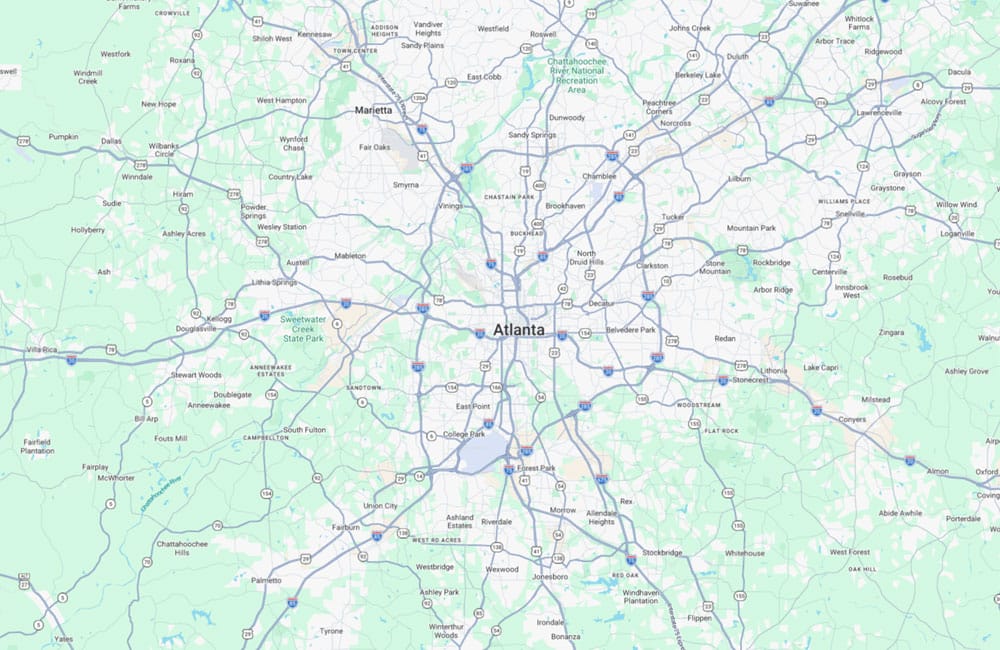
Asphalt by Design proudly serves Atlanta and the surrounding communities throughout North Central Georgia. We work across residential neighborhoods, commercial properties, and high-traffic areas, providing consistent results regardless of the size or scope of the project.
Our team understands the conditions that impact asphalt in the Atlanta area, including temperature changes, moisture, and heavy traffic. This allows us to provide solutions that are tailored to the region and built for long-term durability.