



What Happens During an Asphalt Paving Installation
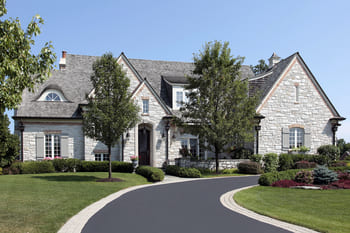
Curious what actually happens when you book an asphalt paving installation in Atlanta, GA? Here's a clear, start-to-finish look at the process local homeowners see when they choose experienced asphalt paving contractors in Atlanta like Asphalt By Design. If you're planning a new driveway or replacing an older surface, this guide shows how a pro team builds long-lasting results and when it's smart to consider asphalt paving for your home.
Site Evaluation and Planning That Fits Atlanta Neighborhoods
Your project starts with a walk-through. The crew studies access, nearby landscaping, sidewalks, and how vehicles will enter and exit. In-town spots like Grant Park or Midtown can be tight, while places with larger lots, such as Buckhead or Sandy Springs, may need extra traffic control. The goal is to map a safe, efficient plan that limits disruption and protects your property.
Soil and slope matter across Metro Atlanta's red clay. Contractors look at how water currently moves across the yard and where it tends to sit after heavy summer storms. Ask about drainage and slope before paving begins so water sheds away from your garage and doesn't pool along edges.
Excavation, Grading, and A Solid Base
Next comes the removal of any failed pavement and unsuitable soil. The team grades the area to create the right pitch, then installs and compacts a crushed stone base. This base acts like the foundation of a house. When it's uniform and tightly compacted, it supports the asphalt above and helps your driveway stand up to hot summers and occasional winter cold snaps.
- Uniform base thickness across the entire driveway, not just the tire paths.
- Compaction in multiple passes to lock stone and reduce future settling.
- Edge support so borders don't crumble when tires ride near the sides.
The Right Asphalt Mix for Driveways
For most homes, crews use a two-layer approach: a stronger binder layer for structure and a smoother surface layer for a clean finish. Mix selection can vary by traffic needs, time of year, and the day's temperature. In warmer months, crews pace deliveries to keep material workable and consistent from the first shovel to the last pass.
If you're upgrading from gravel or a patchwork driveway, this is the stage where the project really takes shape. The crew coordinates trucks so that asphalt arrives at the ideal temperature and is placed quickly to maintain a tight, seamless mat.
Precision Placement and Compaction
Great paving looks simple because the hard work is in the details. Installers place asphalt in even courses, then compact it with a steel drum and pneumatic rollers. Multiple roller passes lock particles together, reduce air voids, and create a smooth, uniform surface. Proper rolling also prevents early raveling and helps the pavement resist rutting during Atlanta's hot afternoons.
Edges get special attention. The team compacts the borders and shapes clean, slightly angled edges so rainwater falls away and the sides don't break when tires get close. Transitions to the street, sidewalks, or a garage apron are feathered and smoothed for comfort and safety.
Joints, Drains, and Driveway Details
Every joint is a potential weak spot, so pros match height and temperature where two lanes meet, then roll the seam thoroughly. Around drains or utility lids, they build tight, reinforced collars that won't settle or crack. Driveway entrances are blended carefully so your car won't bottom out, even with a full load.
These finishing touches decide how your new surface performs in heavy rain, when tree roots flex nearby soil, or when delivery trucks make tight turns.
Final Roll, Clean Edges, and Day-Of Expectations
Once placement is complete, the crew performs a final roll, inspects edges, and checks the slope one more time. Barricades or cones go up to protect the surface while it cools. Don't drive on fresh asphalt until your contractor clears it; the team will let you know when it's ready for foot traffic and when vehicles can return.
- You'll notice a rich, dark finish right away. That color lightens a bit as the pavement cures.
- It's normal to see gentle roller lines at first; these settle as the surface cures.
- Any minor scuffs from wind-blown debris usually fade with time and weather.
Curing, Clean-Up, and When Striping or Sealing Comes In
Most residential driveways don't need striping, but the crew still paints any required markings for multi-home or shared drive lanes. After clean-up, they'll review simple care guidelines, like avoiding stationary turns from heavy vehicles while the surface is new. Keep heavy vehicles off the new surface until your crew gives the green light to prevent early depressions at parking spots.
Sealing is different from paving. Once your driveway has cured and the weather is favorable, a separate asphalt sealcoating service can add a protective layer to help slow oxidation and water intrusion. That step boosts curb appeal and extends service life, especially with Atlanta's UV and rain cycles.
Why the Process Matters for Asphalt Driveways
When each step is done right, asphalt driveways look better on day one and hold up better in year ten. A uniform base resists settlement, quality mix placement reduces cracking, and proper compaction limits premature wear. If you're comparing options or timing, this overview helps you align expectations with the way a professional crew works.
Wondering if you should fix what you have first? This related article explains how to decide when to repair, resurface, or replace your driveway so you invest at the right time.
Local Factors Around Atlanta and North Metro
From Midtown, Old Fourth Ward, and West End to suburbs like Decatur and Alpharetta, GA, soil conditions and shade patterns vary. Red clay holds water after big storms, so well-designed drainage helps protect your foundation and landscaping. Tree-lined streets keep pavement cooler, which is great for comfort but can slow dry times after rain.
Crews also plan around school schedules, HOA gates, and narrow streets so trucks stage safely. Schedule installation when the forecast is clear so the crew can compact consistently and reopen your driveway as soon as it's ready.
How to Prepare Your Property for Installation Day
You don't need to do the work, but small planning steps keep things moving. Clear vehicles from the work zone, unlock gates, and let delivery drivers know the driveway will be closed. If you have lawn crews or home projects scheduled, it's smart to pause them so dust and debris stay off the new surface while it cools.
If you're converting from gravel to a full asphalt driveway, plan temporary parking on the street. In many Atlanta neighborhoods, the crew coordinates cones and signage to guide guests and delivery drivers until your driveway reopens.
Quality Checks You Can Expect
A reputable contractor invites questions and points out what to look for. That includes straight edges, a smooth ride, consistent texture, and positive drainage away from structures. If something doesn't look right, it's usually fixable the same day while the material is warm and workable.
When you choose an experienced team, you're also choosing better coordination. Trucks show up on pace, rollers keep moving, and finishers stay ahead of cooling. That pace is what delivers a seamless look without cold joints or uneven spots.
Ready For A Smooth, Long-Lasting Driveway?
If you want a driveway that stands up to Atlanta heat and heavy afternoon storms, start with pros who follow a proven process.Call Asphalt By Design at 678-463-5583 and book your on-site assessment. We'll walk you through the plan, keep the jobsite neat, and deliver a driveway you'll be proud to pull into every day.


